The information on this website is general in nature and does not take into account your objectives, financial situation, or needs. Consider seeking personal advice from a licensed adviser before acting on any information.
In the bustling world of hospitality, the right insurance can make all the difference for your business. Tailored insurance, as the name suggests, involves customising your insurance policy to meet the specific needs and risks associated with your industry. This personalised approach ensures that you are not overpaying for unnecessary coverage while also safeguarding your business against potential threats.
The hospitality industry in Australia is vibrant and diverse, encompassing everything from restaurants and hotels to pubs and cafes. Each of these establishments faces unique challenges and risks, from equipment breakdowns and property damage to customer-related incidents and legal claims. Tailored insurance provides solutions that address these concerns, offering peace of mind and financial security.
This article aims to delve into the advantages of customised insurance for hospitality businesses. We will explore how bespoke policies can provide maximised protection, help manage risks efficiently, and ensure compliance with industry regulations. Whether you're a seasoned business owner or new to the hospitality scene, understanding the significance of tailored insurance can help safeguard your investments and contribute to the success of your enterprise.
The Unique Risks Faced by Hospitality Businesses
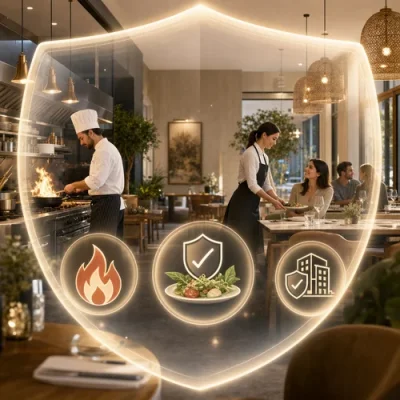
Operating a hospitality business presents a unique set of challenges and risks that owners need to navigate. Accidents can happen at any time, whether it's a slip and fall in a restaurant or a guest injury at a hotel pool. These incidents not only lead to potential lawsuits but can also tarnish the reputation of your establishment.
Liability is a major concern, as businesses must safeguard themselves against claims related to food safety and service-related mishaps. Ensuring that the food served is safe and prepared under compliant conditions is not just a regulatory necessity but also a crucial part of customer satisfaction and safety.
Property damage due to events like fires, floods, or vandalism poses another significant risk to hospitality establishments. Such incidents can halt operations and cause substantial financial setbacks. The industry also faces specific challenges, like meeting the diverse expectations of guests while ensuring their safety.
Understanding these common and industry-specific risks is essential as they can have profound financial impacts. Investing in a tailored insurance policy helps mitigate these risks by providing comprehensive coverage, ultimately protecting your business assets and ensuring continuity in the face of unforeseen events.
What is Tailored Insurance?
Tailored insurance policies are customised insurance solutions designed to meet the specific needs of a business, rather than relying on generic, one-size-fits-all packages. In the context of hospitality, tailored insurance ensures that coverage aligns with the unique risks and operational requirements of your establishment.
Unlike standard insurance packages, which provide predetermined coverage options, tailored insurance allows businesses to select and modify coverage elements. This flexibility is crucial for addressing particular circumstances, such as regional risks or industry-specific liabilities, which may not be adequately covered by standard policies.
Some of the types of coverage that can be customised for the hospitality industry include:
- Property insurance, where specific physical assets, such as kitchen equipment or guest amenities, are identified for coverage.
- Public liability insurance, where policies are adjusted to include high-risk areas or activities unique to your business.
- Business interruption insurance, tailored to cover loss of income in scenarios that are more probable for your location or operation type.
- Workers' compensation, customised to reflect the size and nature of your workforce and any particular hazards they might face.
Benefits of Tailored Insurance for Hospitality Enterprises
In a dynamic industry like hospitality, having insurance coverage that aligns closely with your business operations is invaluable. Tailored insurance offers the unique advantage of customizing your policy to fit the specific needs and risks of your enterprise. This means that a bespoke policy can provide coverage for events and assets that standard policies might overlook, ensuring comprehensive protection.
Another significant benefit of tailored insurance is the potential for cost savings. By focusing on your business's actual risks, you can avoid paying for unnecessary coverage, which often comes with generic insurance packages. This targeted approach ensures that you get value for money, allocating your budget to areas where it truly matters.
The flexibility inherent in tailored insurance cannot be overstated. As your business grows and evolves, so too can your insurance policy. Whether you're expanding your operations, introducing new services, or facing new regulatory requirements, your tailored policy can adapt to these changes, ensuring continued protection. This adaptability helps your business stay resilient and ready to face new challenges as they arise.
Case Studies: Success Stories with Tailored Insurance
Imagine a boutique hotel nestled in the busy streets of Melbourne, known for its charming decor and personalized service. The owners decided to opt for tailored insurance, focusing specifically on their unique offerings such as the art gallery and vintage furnishings. By customizing their property insurance, they ensured coverage for these high-value items, which are not covered under standard policies. This approach not only safeguarded their assets but also resulted in substantial savings, as they were not paying for unnecessary coverage like that typically associated with larger chain hotels.
In another scenario, a popular Sydney restaurant found itself in the midst of a crisis when a kitchen fire disrupted operations. Thanks to their tailored business interruption insurance, which was specifically designed to cover situations like this, they were able to claim loss of income promptly. This quick recovery ensured minimal financial impact and allowed them to reopen sooner than anticipated. The policy also included a public relations component, helping the restaurant manage customer communications effectively during the crisis.
An actual example within the industry involved a family-owned café chain in Brisbane. They worked closely with a specialized insurance broker to tailor their policies, ensuring coverage for outdoor dining areas that were critical to their revenue. When severe weather damaged these areas, their insurance facilitated quick repairs and compensation for lost profits. These cases highlight how a personalized approach to insurance can protect businesses from unforeseen challenges, ensuring resilience and longevity.
Key Factors to Consider When Choosing Tailored Insurance
Finding the right tailored insurance for your hospitality business involves carefully considering numerous factors that are specific to your operations. The first step is to assess the specific needs of your business. Every establishment has its own set of risks and requirements, whether you run a bustling city hotel or a quaint countryside café. By understanding your unique risk profile, you can identify the areas where coverage is most needed and thus ensure that your tailor-made insurance plan effectively addresses those areas.
Evaluation of different insurance providers is another crucial step. Not all insurers offer the same level of customisation, and it's important to compare what different companies bring to the table. Look for providers with a strong reputation in the hospitality industry and a proven track record of handling claims efficiently. It's worth investing the time to research reviews and ask for referrals from other business owners in the industry.
Finally, look for customizable options that suit both your budget and coverage needs. A comprehensive insurance plan does not have to be unaffordable. Work with insurers who offer flexible plans that allow you to scale coverage as your business evolves. This flexibility can play a pivotal role in ensuring you maintain adequate protection without overextending financially. Taking the time to consider these key factors can yield a bespoke insurance plan that offers perfect alignment with your business's aspirations and challenges.
How to Implement Tailored Insurance for Your Business
Embarking on the journey to implement tailored insurance for your hospitality business requires a strategic approach. The first step is to thoroughly assess your current coverage. Start by evaluating the existing policies to identify any gaps or redundancies in your insurance. Understanding what you’re currently covered for-and what you’re not-will provide a clear picture of where adjustments need to be made. This assessment is crucial in shaping a policy that truly aligns with your operational needs.
Next, consult with insurance experts who specialise in crafting bespoke policies for the hospitality industry. These professionals bring a wealth of experience and knowledge, helping you navigate the complexities of insurance. They can offer insights into the types of coverage that best suit your business profile, such as specific liabilities or risk factors you might face. Trusted experts can also assist in ensuring that you’re compliant with any regulatory requirements specific to Australia’s hospitality regulations.
Lastly, remember that your insurance policy should not be static but rather an evolving tool that adapts alongside your business. Implement a continuous review process to regularly evaluate your coverage in light of any changes in your business environment, such as expansions, new services, or shifts in customer demographics. This proactive approach ensures that your tailored insurance remains relevant and effective, providing ongoing protection as your business grows and changes.
Conclusion: Secure Your Hospitality Business's Future
In the dynamic and often unpredictable world of hospitality, having tailored insurance provides indispensable support. It ensures that your business is shielded by a policy that reflects its unique needs and operational nuances, encapsulating everything from specific liabilities to asset protection. By offering customised coverage, tailored insurance not only mitigates risks but also delivers peace of mind, allowing you to focus more on delivering exceptional guest experiences.
Proactively engaging with your insurance options is a smart move that can buffer your business against unforeseen setbacks. By working with knowledgeable insurance professionals, you can gain insights into the most effective ways to protect your establishment. This proactive approach extends beyond initial coverage selection-it's about building a dynamic insurance strategy that can evolve with your business.
Regular policy reviews are a cornerstone of maintaining effective coverage. As your business grows or pivots, so too should your insurance strategy. Routine assessments can ensure your coverage remains aligned with your current needs, adapting to new risks and industry trends. Adopting this iterative approach will help sustain your business's resilience, enabling it to thrive no matter what challenges lie ahead.
Published: Saturday, 29th Mar 2025
Author: Paige Estritori



No comments yet. Be the first to share your thoughts.